THOSE who claim to deplore the commercialisation of Christmas should move to Venezuela. Seasonal products, from Christmas trees to toys, trinkets and delicacies, are piled up in the country’s ports, thanks to inefficient, congested wharves and a dramatic increase in imports. Retailers have no idea when they will take delivery of their goods. importers and customs agents complain that a government emergency plan has so far failed to ease the delays much.
那些声称强烈反对圣诞节商业化的人应该搬去委内瑞拉。委内瑞拉的码头效率低下,拥挤不堪,再加上进口商品的激增,使得季节性产品堆积在各个港口,其中包括圣诞树和玩具,还有小饰品和美味的食物。零售商还不清楚什么时候可以提货。进口商和顾客代理商也在抱怨:截至目前,政府采取的缓解货物延期的应急方案没起到多大作用。
Nearly four years ago Hugo Chávez, Venezuela’s leftist president, took over control of the ports from regional governments. Private handling companies were nationalised, so far without compensation. The ports are now jointly run by a state company, Bolipuertos (with a 51% stake), and an outfit called Asport, owned by the Cuban government, a close ally of Mr Chavez. Curiously, Cuba—hardly the Singapore of the Americas—is also paid to “advise” Venezuela on port operations.
将近四年前,委内瑞拉左派总统乌戈•查维兹开始从地方政府接受管理工作。当时国有化的私人港口管理公司到现在也未获赔偿。港口现由国企Bolipuertos(持51%股份)和同盟国古巴政府的Asport机构共同经营。奇怪的是,古巴不是“美洲的新加坡”,却也被委内瑞拉花钱聘为港口运作“顾问”。
At the time of the government takeover, Venezuela’s economy was entering a two-year recession, which cut the flow of imports. But this year saw a binge in public spending ahead of an election in October in which Mr Chávez won another six-year term. In the first nine months of the year, imports totalled more than $40 billion, up from $27.4 billion in the same period of 2010. Most come as bulk cargoes and containers that arrive by sea.
政府接管港口时期,委内瑞拉进入了两年经济衰退期,进口产品也随之减少。但在今年十月大选前的短暂时间内,却无限制地加大了公共开支。在随后进行的大选中查维兹获得了下届六年总统任期。今年前九个月,进口商品额达400多亿美元,比2010年同期增长了274亿美元,其中大部分为走海路抵达的散货和集装箱。
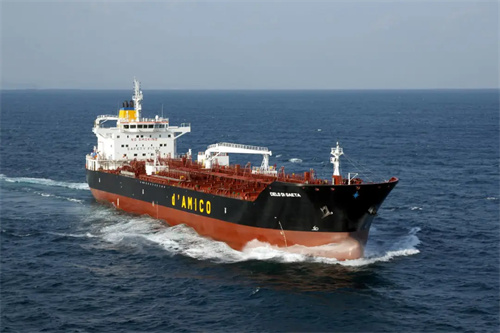
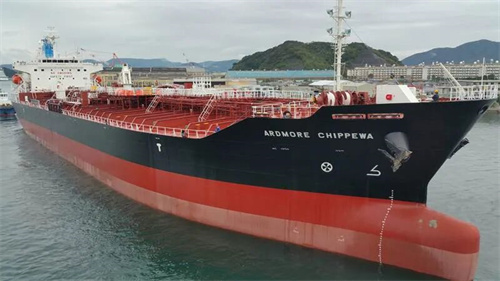
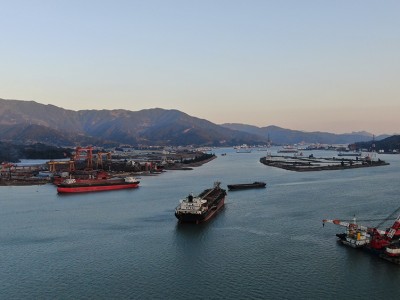
Business people say that port infrastructure has deteriorated since the nationalisation, thanks to poor maintenance and inexperienced management, adding to the time that ships must wait offshore. Last week ten ships were anchored off La Guaira and 18 off the country’s main port, Puerto Cabello. Since then, the Bolipuertos web page that gives such figures has been off-line “for maintenance”. To add to the problem, La Guaira is operating at only two-thirds of its normal capacity while the port builds a new container terminal, intended to handle trade with Mercosur, the trade bloc which Venezuela recently joined.
商界人士表示,港口国有化以来,由于缺乏维护保养和管理经验,港口基础设施不断恶化,进而增加了货船在海上的必要等待时间。上周,在拉瓜伊拉和卡贝略港抛锚停泊的货船分别为10艘和18艘。从上周起,提供这些数据的Bolipuertos公司网页开始离线“维护”。雪上加霜的是,委内瑞拉最近加入了南美共同市场,为了处理该贸易集团的贸易业务,又在拉瓜伊拉新修了另一集装箱码头,但该港口目前的吞吐量仅为正常水平的三分之一。
Red tape has proliferated. In addition to customs and sanitary inspections, cargoes must be separately checked for adherence to foreign-exchange and other controls and examined for drugs by the national guard. It can be weeks before a container is released. In all, goods can take longer to get from the port of La Guaira to Caracas, 25 kilometres (16 miles) away, than from China.
已有红头文件大量出台。除了海关检查和卫生检查外,还要审查是否符合外汇交易和其他管制要求,国民警卫队也要检查是否藏有毒品。因此,每个集装箱通过检查都要花上数周时间。总体上说,货物从拉瓜伊拉港口运到首都加拉加斯(距离25千米(16英里))要比从中国运到加拉加斯所花的时间长。
The import boom is partly a result of a big overvaluation of the currency, the bolívar. At 4.3 bolívares to the American dollar, the official exchange rate is now just a quarter of the free-market equivalent (whose very mention is illegal). Mr Chávez uses a large chunk of Venezuela’s oil revenues to import food at the official rate, in a bid to keep inflation down.
进口量剧增的部分原因是玻利瓦尔货币的大幅升值。玻利瓦尔对美元的官方汇率现为4.3:1,仅为自由市场等值汇率的四分之一。总统查维兹利用本国的石油收入以官方汇率进口食物,力求保持低通胀率。
Jorge Giordani, the monkish planning and finance minister, is both the architect of this policy and a critic of it. He recently complained to the National Assembly that Venezuela “imports junk food, and that is associated with the [oil-] rent culture”. The solutions, he argued, are to restrict imports to essential materials and goods, such as machinery, and “changing our eating habits”. He has made it hard for the private sector to obtain dollars anywhere but on the black market. Christmas containers packed with Italian panettone and fir trees from Canada may not just be late: they may not arrive at all.
财政与计划部长豪尔赫•乔达妮真是苦行僧,自己制定了该政策,自己又对该政策持批评态度。最近,他向国民大抱怨:我国“进口的都是垃圾食品,这还与石油收益文化联系在一起”。他提出了两点解决办法:第一,限制如机械设备等基础物资的进口:第二,“改变我们的饮食习惯”。这让私营部门处境困难,只有在黑市才能获得美元。装有意大利圆顶状潘妮托尼蛋糕和加拿大冷杉树的圣诞季集装箱可能不仅仅是晚点抵达的问题:有可能再也不会到达委内瑞拉了。